AB
Angharad Brewer Gillham
Editor
Editor

Social science
21 Aug 2026
We know playing slot machines can trigger uncontrolled spending and addictive behaviors in some people. But what about paid-for features in ‘free-to-play’ games? Microtransactions like loot boxes or paid progression within a game can add up quickly and easily. In their new article in Frontiers in Public Health, Dr Markus Meschik and his colleagues investigate who spends the most among children playing these games, and how the heaviest spenders are affected, showing higher rates of traits associated with gambling disorder and gaming disorder. In this guest editorial, Meschik and coauthor Dr Mark Griffiths break down the hidden threat of microtransactions, and how regulation could tackle it.

Featured news
27 Jul 2026
Evidence of spinal nerve tumors and developmental abnormalities in saber-toothed cats from the La Brea Tar Pits indicates that the dwindling species was in poor genetic health

Featured news
20 Jul 2026
Researchers used sonar and underwater imaging systems to find mesophotic coral garden 1960s scientists assumed must be dead

Featured news
17 Jul 2026
Strong muscle attachments and healed fractures show that royal women could use the weapons they were buried with — but also that high status didn’t prevent hardship

Featured news
07 Jul 2026
Increased screening of patients’ family members, including men, could help identify people at high risk and support targeted cancer prevention

Featured news
03 Jul 2026
Up to 76% of bottom trawlers are followed by bottlenose dolphins scavenging in their wake, suggesting there isn’t enough prey to hunt elsewhere

Featured news
18 Jun 2026
Teenagers who report competing with caregivers’ phones for attention are more likely to have insecure attachment styles, which could damage wellbeing

Featured news
08 Jun 2026
New automatic detection algorithm integrates into 3D scanners to help catch marine wildlife trafficking in luggage

Featured news
29 May 2026
Bans on teenagers’ social media use are gathering pace worldwide. Their proponents claim that social media bans will improve young people’s mental health, but what evidence supports these claims? In their new Frontiers in Developmental Psychology article, Dr Monika Neff Lind and her co-authors argue that there is no solid scientific evidence behind these bans, and reason to believe they could backfire. In this guest editorial, Neff Lind explains why she and her colleagues doubt that social media bans will work, and how bans should be evaluated to determine whether they have any positive effects.

Environment
22 May 2026
Seagrass seedlings come from sexual reproduction, not cloning, preserving essential genetic diversity

Featured news
12 May 2026
Helium isotope readings from geothermal springs indicate that the Kafue Rift has broken through the Earth’s crust

Featured news
05 May 2026
Archaeologists uncover possible evidence of ancient copper smelting spanning more than 2,000 years in a mountain cave more than 2,000 meters above sea level

Featured news
27 Apr 2026
Humans exposed to infrasound don’t detect it, but have raised cortisol and irritability levels — offering a possible explanation for ‘haunted’ locations .

Featured news
13 Apr 2026
The climate crisis is driving starving gray whales into busy San Francisco Bay, where they are hit and killed by vessels
Featured news
10 Apr 2026
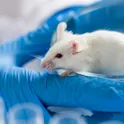
The offspring of mice that ate sucralose or stevia had altered expression of genes linked to inflammation and metabolism
Get the latest research updates, subscribe to our newsletter